Shopping Cart
There are no more items in your cart
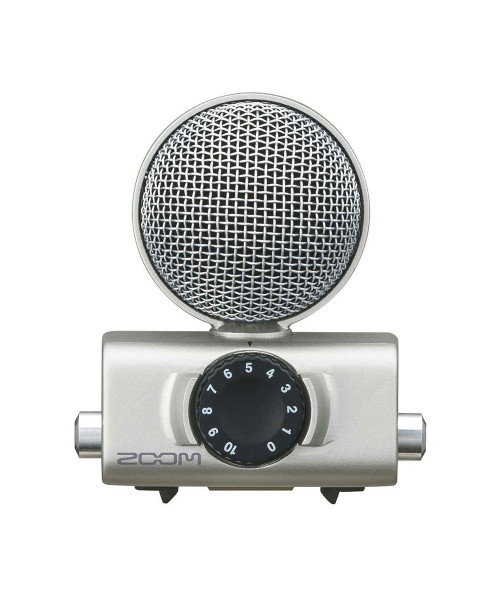
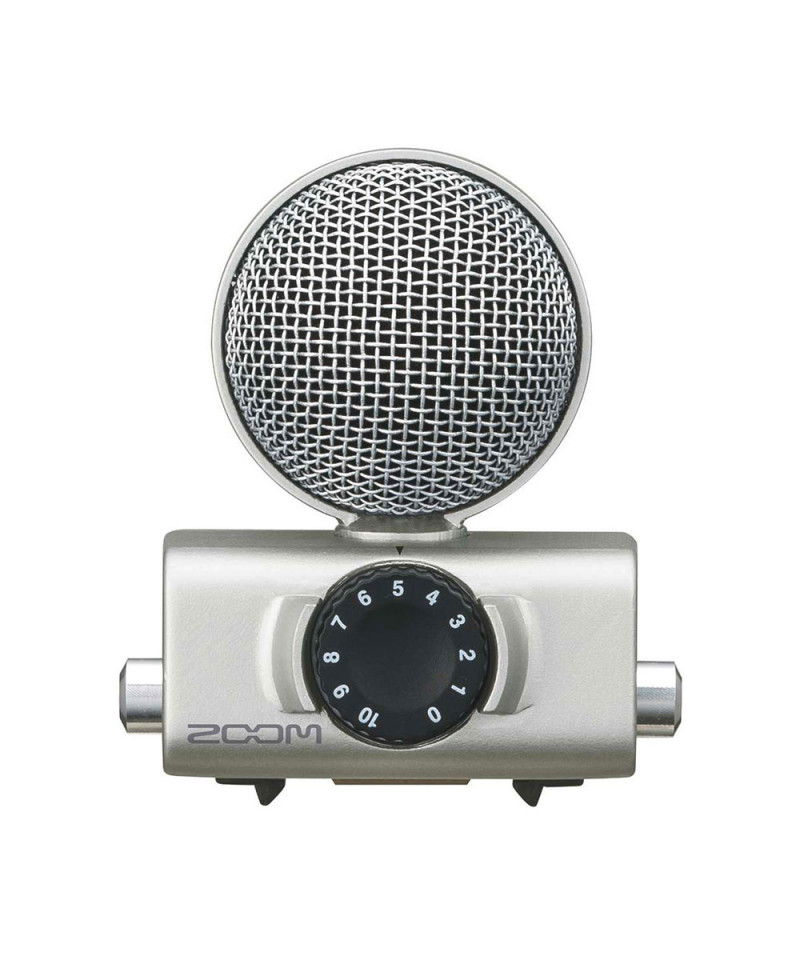
ZOOM MSH-6 - Mid microphone capsule-Side for H5 / H6

Disponibile solo online
Free Shipping
9587511556001
New

Order it before 12:30 on Monday and receive it between on 1/1/26 and 1/5/26 with Corriere Espresso. ESTIMATED DATE.
Mid microphone capsule-Side
ZOOM, presents, MSH-6
Even if the msh capsule-6 ms seems to be a single microphone, contains two microphone elements placed perpendicularly one above the other. One of the microphones inside the MSH-6 is unidirectional (ie mostly sensitive to the signal coming in front, and less sensitive to those from behind or sides) while the other is bidirectional (ie above all above all sensitive to signals coming in front and back, and less sensitive to the signal coming from the sides). The concept at the base of MS (Mid Side) registration is that the MID microphone receives the signal coming from the center, while the lateral microphone creates atmosphere and directionality by adding or subtracting information from both sides. The MID technique-Side works well every time you need a variable amount of sound width. It can also be used for recording studios and, its practicality and flexibility make it a good choice for testing and recording live concerts. Another advantage is that it provides total mono compatibility, which makes it an excellent choice for stereo recordings that can be reproduced in mono, such as TV broadcasts.
ZOOM, presents, MSH-6
Even if the msh capsule-6 ms seems to be a single microphone, contains two microphone elements placed perpendicularly one above the other. One of the microphones inside the MSH-6 is unidirectional (ie mostly sensitive to the signal coming in front, and less sensitive to those from behind or sides) while the other is bidirectional (ie above all above all sensitive to signals coming in front and back, and less sensitive to the signal coming from the sides). The concept at the base of MS (Mid Side) registration is that the MID microphone receives the signal coming from the center, while the lateral microphone creates atmosphere and directionality by adding or subtracting information from both sides. The MID technique-Side works well every time you need a variable amount of sound width. It can also be used for recording studios and, its practicality and flexibility make it a good choice for testing and recording live concerts. Another advantage is that it provides total mono compatibility, which makes it an excellent choice for stereo recordings that can be reproduced in mono, such as TV broadcasts.
- Microphone types: Unidirectional + bidirectional
- Sensitivity: -37db, 1 KHZ @ 1 PA (unidirectional) / -39 db, 1 KHZ @ 1 PA (bidirectional)
- Input Gain: -∞ ÷ 42.5db
- Max sound pressure: 120dB SPL (unidirectional) / 122dB SPL (bidirectional)
Tap to zoom