Shopping Cart
There are no more items in your cart
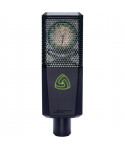
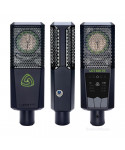
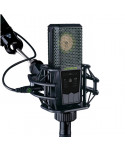
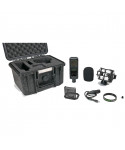
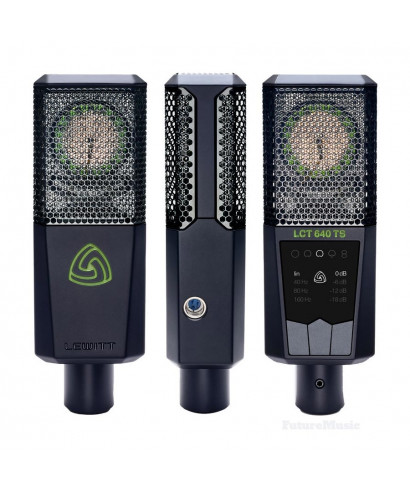
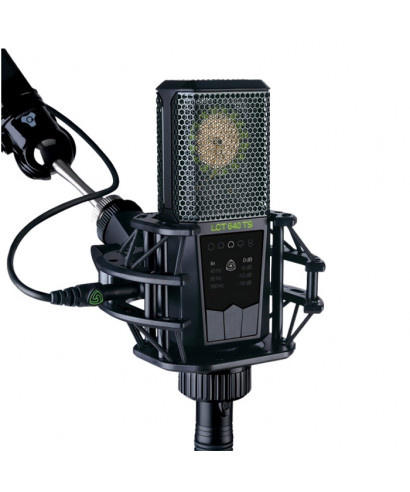
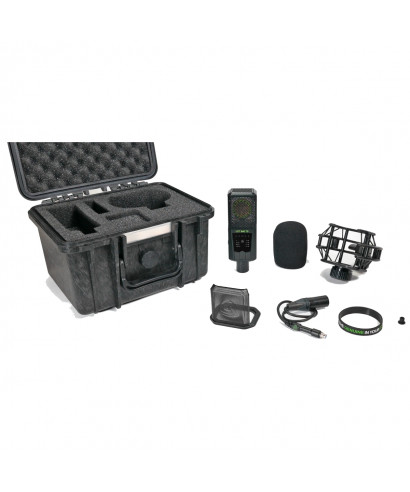
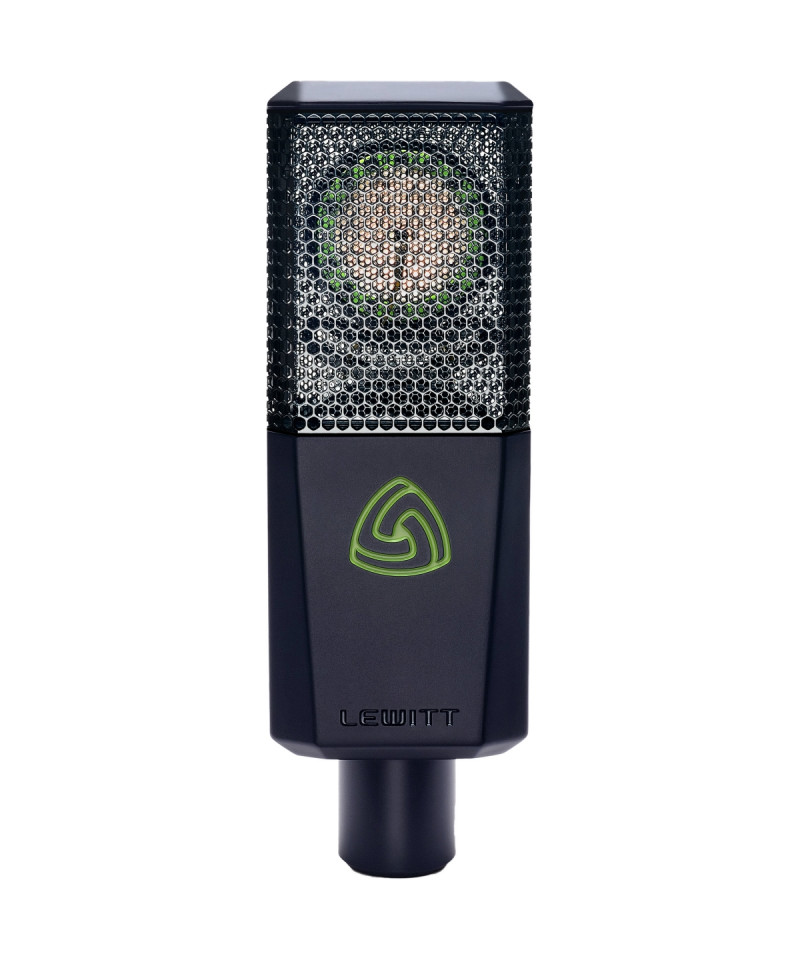
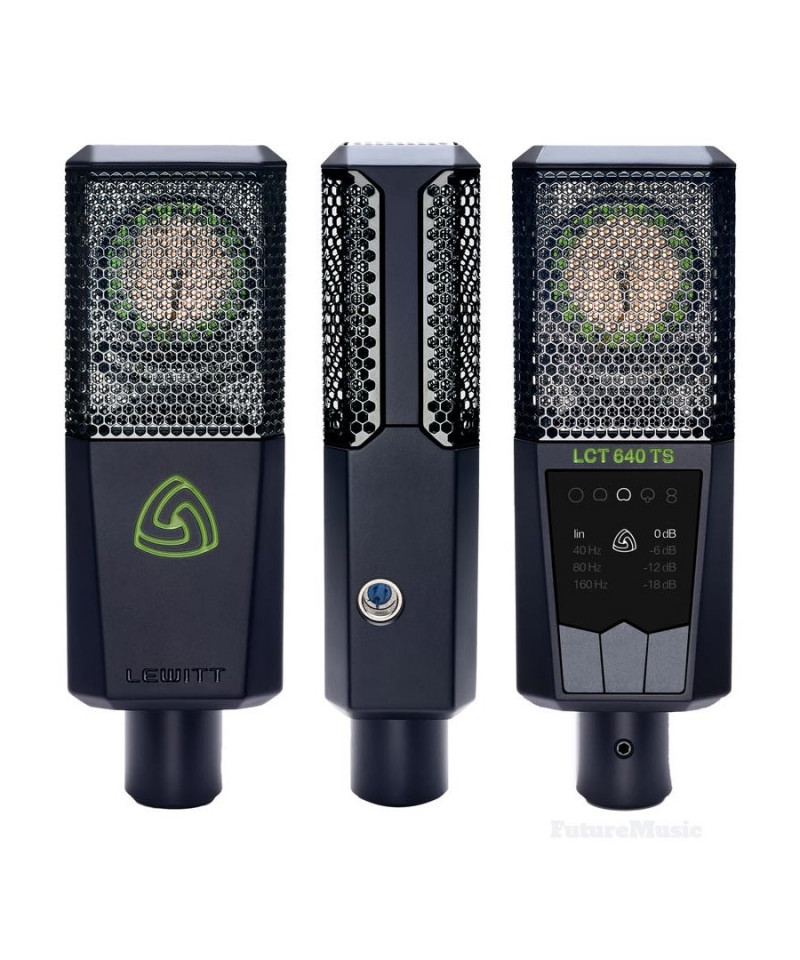
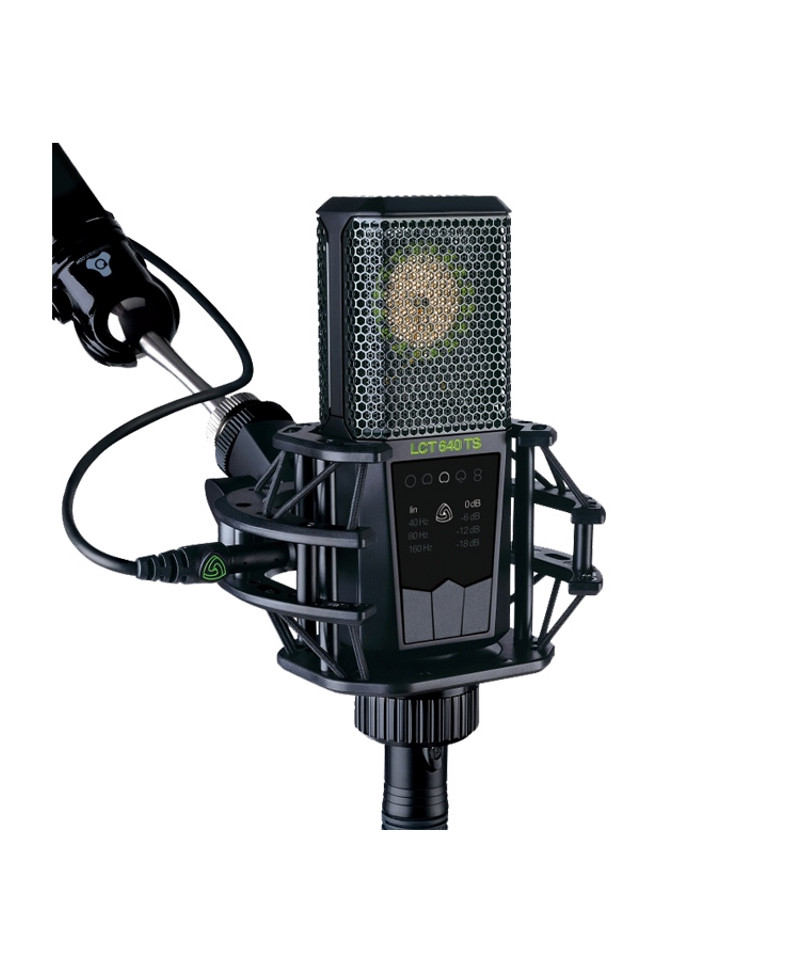
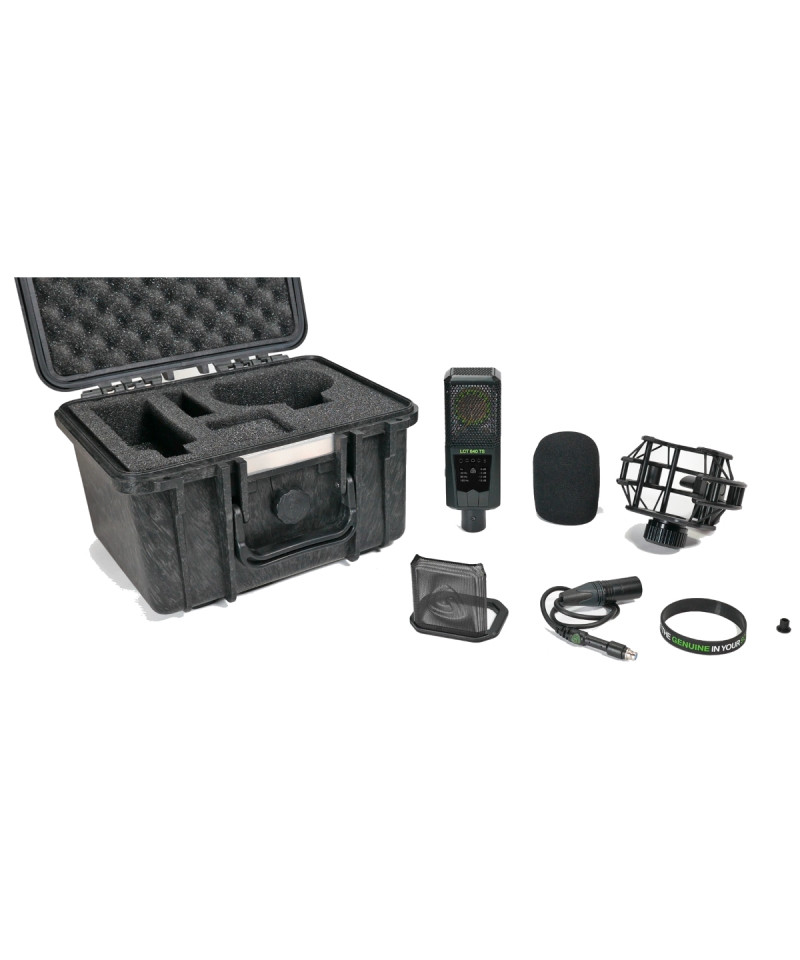
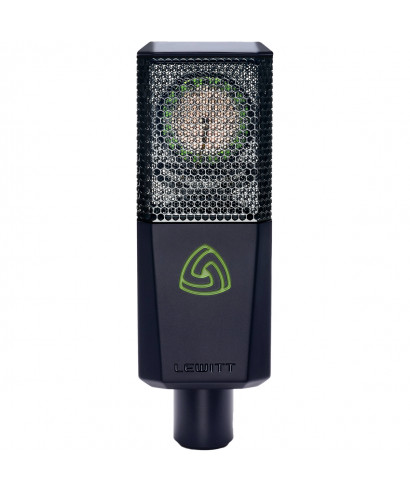
Microphone LEWITT LCT 640 TS

Pagamento a rate con
Studio microphone for Twin System Registration
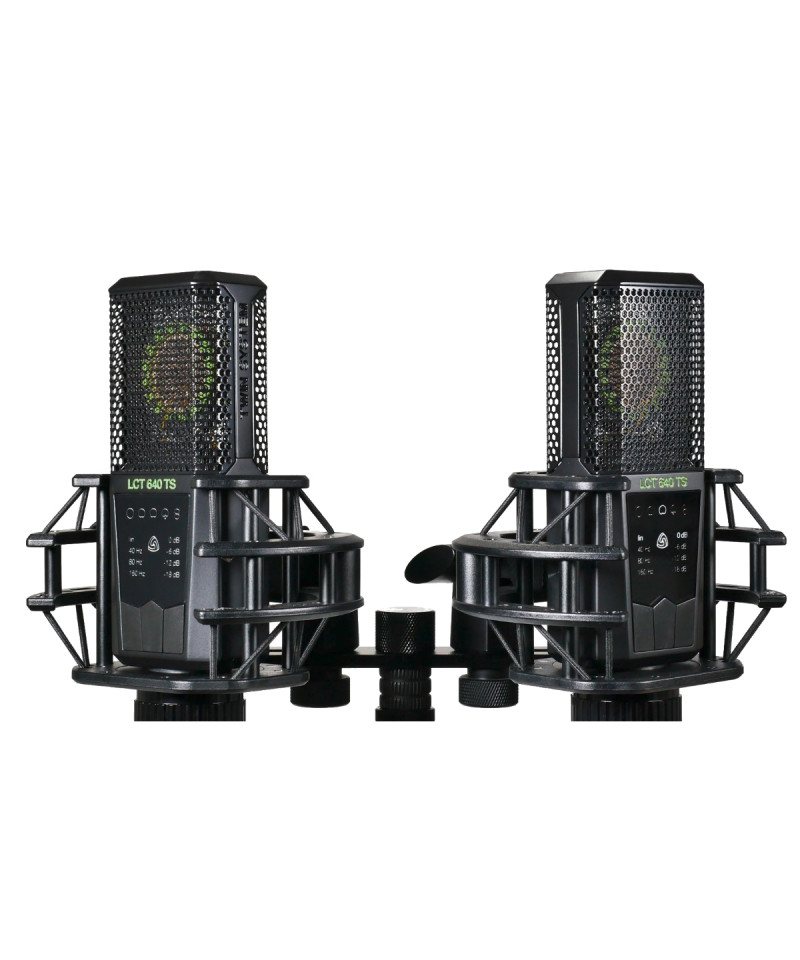
LEWITT presents LCT 640 TS
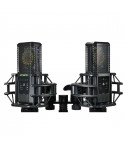
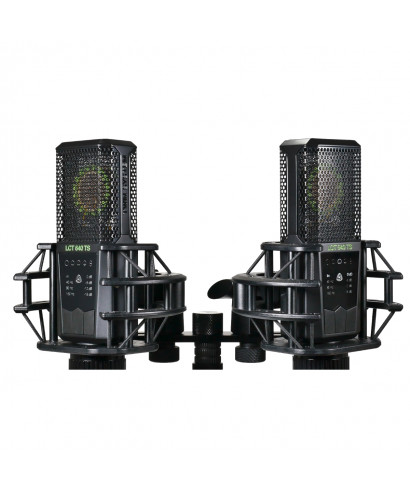
Register with the LCT 640 TS offer you a flexibility level that you would never have imagined it was possible. In recent years there have been some developments that radically changed the way to do things, Nasti think of digital photography compared to the analogue and more LATE THE GIANT STEP FROM THE JPG COMPRESSION TO THE STANDARD OPEN RAW which allows the photographer to change important parameters such as exposure and white balance even after the photograph was taken! The LCT 640 TS also provides such a cutting-edge development, but this time for the audio industry and musicale.Usando Both outputs of the LCT 640 TS while recording similar to resuming the entire session instead simply to record a sound source. Adds the freedom to dynamically change the polar feature during the post phase-Production from cardioid to figure "8". In fact, even while mixed your track you can still turn your 180 microphone despite having finished shooting for days. E We have not yet spoken of the enormous possibilities with two LCT 640 TS in a double stereo system ... you see, record with the LCT 640 TS different from using any other wide diaphragm condenser microphone: recorded now, decide later.
LEWITT presents LCT 640 TS
Register with the LCT 640 TS offer you a flexibility level that you would never have imagined it was possible. In recent years there have been some developments that radically changed the way to do things, Nasti think of digital photography compared to the analogue and more LATE THE GIANT STEP FROM THE JPG COMPRESSION TO THE STANDARD OPEN RAW which allows the photographer to change important parameters such as exposure and white balance even after the photograph was taken! The LCT 640 TS also provides such a cutting-edge development, but this time for the audio industry and musicale.Usando Both outputs of the LCT 640 TS while recording similar to resuming the entire session instead simply to record a sound source. Adds the freedom to dynamically change the polar feature during the post phase-Production from cardioid to figure "8". In fact, even while mixed your track you can still turn your 180 microphone despite having finished shooting for days. E We have not yet spoken of the enormous possibilities with two LCT 640 TS in a double stereo system ... you see, record with the LCT 640 TS different from using any other wide diaphragm condenser microphone: recorded now, decide later.
- Operating principle: Pressure gradient with external polarization
- Diaphragm: 3 micron in mylar gold plated
- transducer: 25.4 mm, 1 in
- Polar diagram (dual output mode): Create any diagram in post-production

- Polar diagram (Multi mode-Pattern): Omni, sub-cardioid, cardioid, supercardioid
- Sensitivity: 30.1 MV / PA (-31.4 DBV), Cardioide30.3 mV / PA (-30.3 DBV), OMNI29.4 mV / PA (-34.1 dbv)
- Signal / noise ratio: 83.5 db (a)
- Equivalent noise level: 10.5 dB (A), Cardioid
- Dynamic range of the amplifier: Microphone Fet 123.3 dB
- Max. SPL for 0.5% THD 133.8 dB, pre-0DB attenuation
- Pre-attenuation-6 db-12 dB-18 db
- Filter size-low: 40Hz (12dB / Oct); 80Hz (12dB / Oct); 160Hz (6db / Oct)
- Nominal impedance: <110 Ohm
- Nominal load impedance: >1.000 Ohm
- Power: 48 V + /- 4 V
- Current absorption: 5.1 but
- Microphone chassis: Die-cast zinc
- Connectors: 3-Pin XLR + Mini 3-XLR PIN Plated Gold
- Microphone size: 158x52x36 mm
- Net weight: 425 gr